
Maps
Navigate the endless rooms of Bloxrooms. Learn room layouts, find exits, and understand how the corrupted areas connect.
Introduction
The Maps hub is your navigation guide for the endless rooms of Bloxrooms. The rooms are procedurally generated, so no layout is ever exactly the same — but the patterns are learnable. This hub covers the room types you will encounter, how to identify safe zones, how to find exits and transition points between areas, and how to plan escape routes for when an entity appears. Navigation knowledge is survival knowledge: players who understand the room patterns spend less time lost and more time farming artifacts. Every run starts with orientation and ends with an escape, so the skills in this hub apply to every single descent you make.
Room Type Reference
| Area Type | Features | Survival Tip |
|---|---|---|
| Starting Rooms | Safe, familiar layout, common artifact spawns | Learn this layout first — it is your home base |
| Safe Zones | Low entity activity, good hiding spots | Use them to recover and plan your next move |
| Transition Points | Exits and connections between areas | Memorize them for emergency escapes |
| Artifact Spawns | Side rooms off the main path | Sweep them carefully — scavenging draws attention |
Navigation Guide
Starting Rooms
The safe, familiar layout where every run begins — learn it before anything else, because it is your home base.
Safe Zones
Low-activity areas with good hiding spots — the recovery points that keep long runs alive.
Transition Points
Exits and connections between areas — the doors that double as your emergency escape routes.
Artifact Spawns
Side rooms off the main path where the valuable finds hide — the heart of the scavenging economy.
Core Mechanics
The endless rooms of Bloxrooms are procedurally generated, but the patterns repeat. Room types — starting rooms, safe zones, transition points and artifact spawns — appear in recognizable arrangements, and learning those arrangements lets you navigate without a map. Exits and transition points connect areas, and knowing where they are gives you escape routes when entities appear. The deeper you go, the more the layout twists, but the same navigation principles apply: identify the room type, know the exits, and never wander without a plan. Navigation is a skill you build with every run, and it pays off in faster farming and fewer deaths.
Advantages
Navigation knowledge compounds with everything else in the game. Players who recognize room patterns spend less time lost and more time farming artifacts. Memorized escape routes turn entity encounters from deaths into close calls. Safe zones give you recovery points on long runs, and knowing where artifact spawns cluster makes your scavenging routes dramatically more efficient. The skills are also transferable — once you learn to read the room patterns, every new level becomes easier to navigate from the first run. This advantage is most visible on longer runs, where the difference between a prepared player and an unprepared one grows with every level you descend, and it is one of the main reasons experienced players consistently out-farm newcomers in the same rooms.
Challenges
The procedural generation means no layout is ever exactly the same, so memorized maps do not transfer between runs. Deep levels twist the layout further, making navigation harder exactly when the threats are strongest. There is no in-game map, so players must learn the patterns through experience — which means some early runs end in getting lost. The lack of a map also means you must build your own mental model of each level, which takes time and costs a few deaths before it clicks. The practical takeaway is to plan around these limits rather than ignore them: check the latest community reports, keep your expectations flexible, and always have a fallback route ready when the rooms do not behave the way you expected.
Frequently Asked Questions
Is there a map in Bloxrooms?+
How do I find exits?+
Where are the safe zones?+
Quick Tips
Learn the starting room layout first — it is your home base and your safest escape route. Every run starts here, so the knowledge pays off on every single descent. Make it a habit on every run rather than a one-time tip, because consistent application of small habits is what separates players who survive the deep levels from players who keep dying in the starting rooms.
Memorize transition points in the levels you farm. They are your emergency exits, and knowing them turns entity encounters from deaths into close escapes. Make it a habit on every run rather than a one-time tip, because consistent application of small habits is what separates players who survive the deep levels from players who keep dying in the starting rooms.
Sweep artifact spawns off the main path, but always keep an escape route in mind. The best scavengers are the ones who can leave quickly when an entity appears. Make it a habit on every run rather than a one-time tip, because consistent application of small habits is what separates players who survive the deep levels from players who keep dying in the starting rooms.
Featured
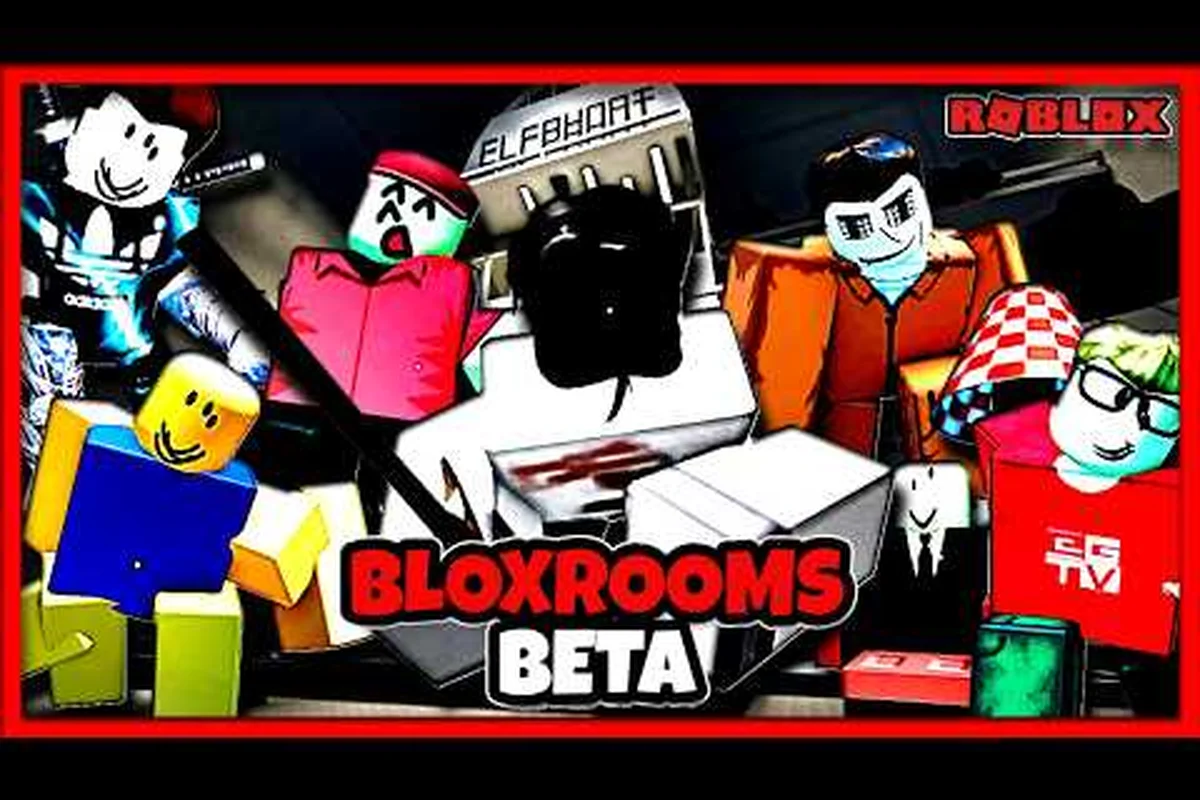
Bloxrooms Fastest Route: Artifact Paths, Exits & Spawn Returns
Map the Bloxrooms fastest route for artifact runs, level exits, and respawn returns so every sprint through the endless rooms pays off in cash.

Bloxrooms Level Map: Blox Buster, Concordia & Eclipse Spawns
Navigate the Bloxrooms level map for Blox Buster, Concordia, and Eclipse with spawn points, safe rooms, and the shortcuts that shave minutes off every run.

Bloxrooms Map Guide: Room Layouts, Navigation & Routes Explained
Master the Bloxrooms map with full room layouts, navigation tips, and the safest routes through every misremembered level in the backrooms-style corridors.
All Articles
Bloxrooms New Rooms: Latest Map Additions, Exits & Checkpoints
Tour the latest Bloxrooms new rooms with a room-by-room guide to fresh map additions, checkpoints, and exits added to the endless corridors.
Bloxrooms Safe Spots: Every Hiding Zone on the Map
Pin down every Bloxrooms safe spot with a complete map of hiding zones, entity-free corners, and choke points that keep you alive in the misremembered rooms.
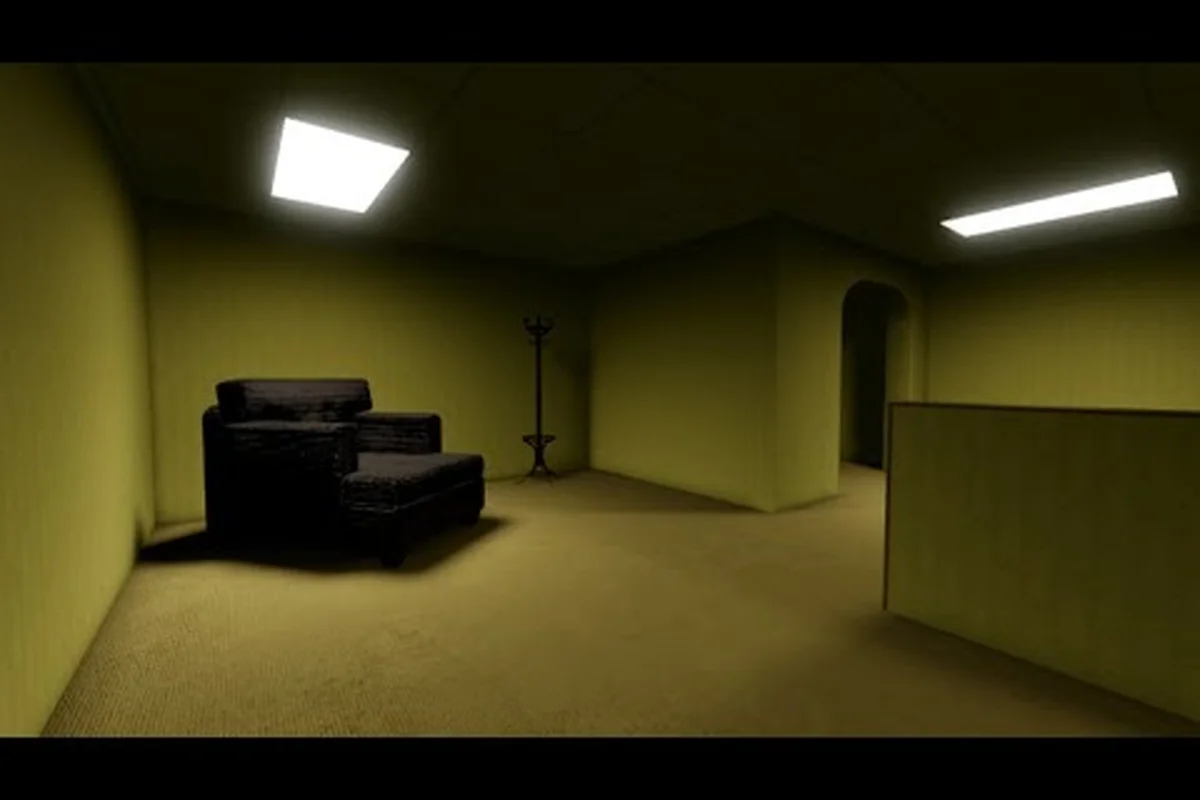
Bloxrooms Secret Rooms: Hidden Areas, Routes & How to Find Them
Track down every Bloxrooms secret room with a map walkthrough of hidden areas, trigger conditions, and the best routes to slip past entity patrols.
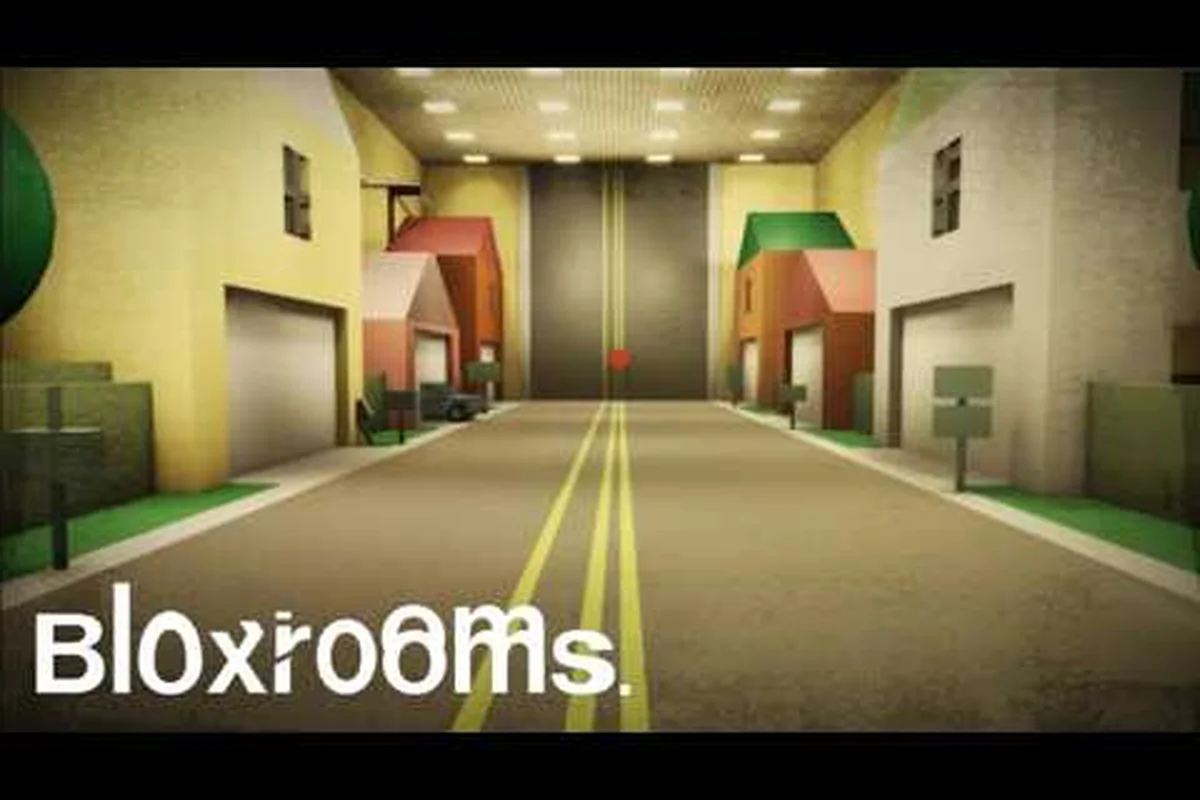
Bloxrooms How Rooms Connect: Generation Rules & Endless Paths
Decode Bloxrooms how rooms connect through the generation system, endless loop structure, and the path rules that decide which corridor you stumble into next.