
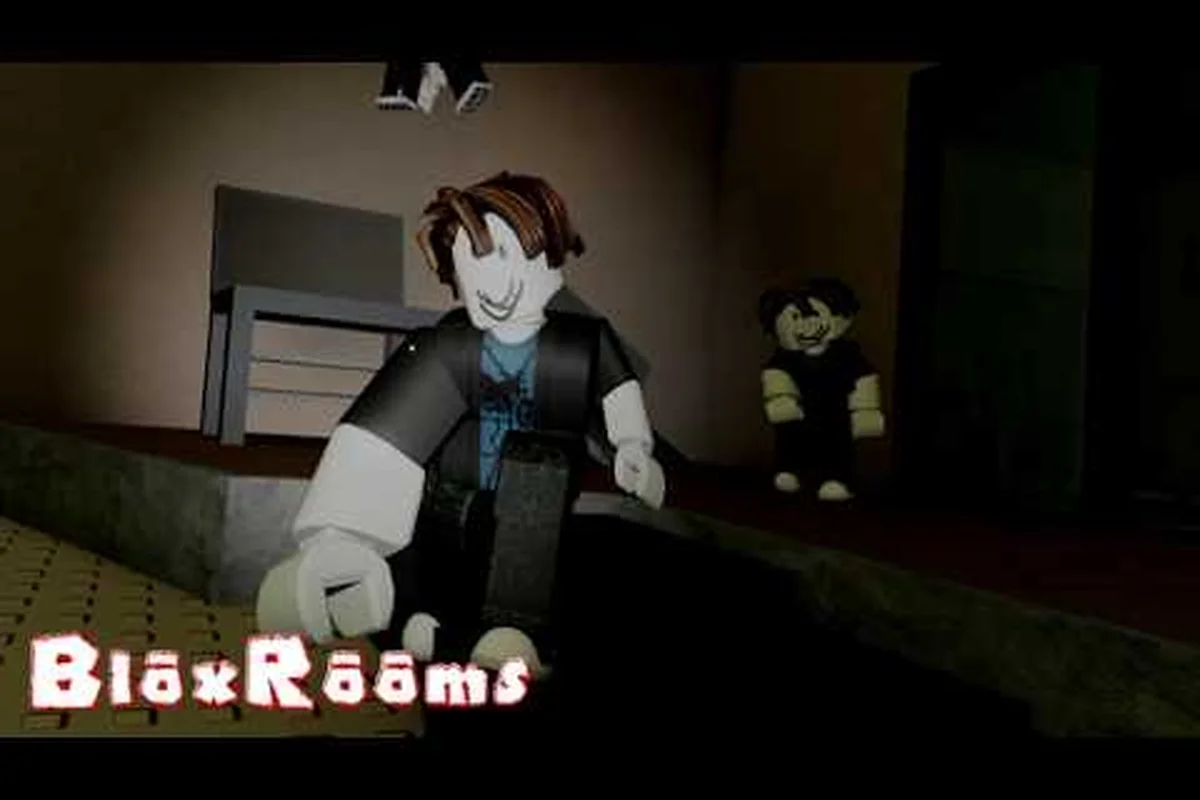
What New Players Actually Need in a Bloxrooms Early Game Guide
The first hour inside Bloxrooms is a strange, jittery loop: you spawn into a wrong-feeling hallway, the lights hum, and a low rumble tells you something is nearby. Most new players sprint, miss every artifact on the floor, and log out with nothing. This Bloxrooms early game guide is built to fix that exact run.
According to the official Bloxrooms game page, the game is currently in BETA with 823K+ visits, 25K+ favorites, and around 855 concurrent players as of 2026-09-08, which means server queues and pop-in spikes are normal even mid-run. Because the core loop revolves around scavenging artifacts for cash and pushing deeper, your first sessions should treat every room like a budget spreadsheet, not a horror movie.
The fastest path from rookie to veteran is a tight 30-minute routine: learn the spawn rules, memorize two safe farming floors, sell artifacts in the right zone, and reinvest the cash into the cheapest gear upgrades first. Skip the fancy builds, ignore the deep levels for now, and focus on repeatable income. That mindset is the backbone of this Bloxrooms progression guide, and it is exactly what veteran players learned the hard way.
Before diving into the route itself, it helps to know what you are actually chasing. Bloxrooms cash is not a single currency with a single source. It comes from artifacts, hidden caches, entity bounties, and gear resale, and each one has a different risk profile. Treating all four as the same thing is the single biggest reason new players stall at a few hundred cash while veterans clear several thousand per hour.
This guide is structured as a Bloxrooms farming guide first, a money-making guide second, and a survival primer third. The order matters: farming without a safety plan is a coin-flip, and cash routes without a resale plan leak value. Stick to the loop below for at least one full play session before experimenting, and you will already be ahead of most players who wander in blind.
Core Cash Loop: How Bloxrooms Money Making Actually Works
Every credit you earn in your first two hours runs through the same four-stage pipeline, and players who skip any stage earn roughly half as much per run. Once the loop clicks, your cash-per-hour roughly triples compared to a freeform run, which is why this is the heart of any Bloxrooms money making guide.
The Four Stages of the Early Cash Cycle
| Stage | What You Do | Time Spent | Typical Cash Return |
|---|---|---|---|
| Spawn & Scout | Check the floor, mark exits, listen for entities | 1-2 min | 0 (investment) |
| Scavenge | Pick up artifacts and cache items | 5-8 min | 150-400 cash |
| Extract or Survive | Reach safe room or hold position | 3-5 min | Bounty bonus if applicable |
| Sell & Reinvest | Offload artifacts, restock basics | 2-3 min | Multiplier on stage 3 |
Players who report the cleanest runs, based on the Roblox's Most Unique Backrooms Game (Bloxrooms) video by Imadumbo, describe spending about 40% of the time scouting, 40% scavenging, and only 20% in the final extract. Reversing that ratio is what traps most new players in low-yield loops.
Why the Loop Breaks for Beginners
The most common break in the cycle is selling at the wrong point. If you sell artifacts on the same floor where you picked them up, you usually get the base price. If you extract one or two floors deeper before cashing out, you trigger the Depth Bonus, which community testing suggests adds 20-40% on top of base value. That single decision, extracted one floor further, is often the difference between earning 300 and 500 cash per run.
Another break point is the fear reflex. When an entity shows up, most new players bolt straight for the nearest exit and abandon any artifacts they have not yet picked up. Veterans play the opposite way: they back into a corner, let the entity pass, and then finish the room, because the artifact on the floor is worth more than the time saved by panic-running. The same Imadumbo run shows several clips where the player holds still, lets a hostile roam past, and clears an entire room of three artifacts before moving on. That patience is the difference between a 200-cash run and a 600-cash run.
The final break point is reinvestment timing. Spending cash on the first shiny item you see, instead of on a cheap but reliable upgrade, drains your wallet and leaves you with a build that cannot survive the deeper floors where the real money lives. Hold off on cosmetic or experimental gear until your cash reserve covers at least three full runs.
Best Early Floors for a Bloxrooms Farming Guide
Not every floor in Bloxrooms is worth farming early, and treating the entire building as one giant map is a fast way to burn your free time. Veterans cluster their first 50 runs into three to five specific floors because the artifact density, entity patrol, and extraction distance are all known quantities. Choosing your floors is the most underrated part of any Bloxrooms farming guide.
Tier List of Early Floors for Cash
| Floor | Artifact Density | Entity Risk | Exit Distance | Best Use |
|---|---|---|---|---|
| Level 1 (Hub) | Low | None | Spawn | Selling, regrouping |
| Level 2 (Lobby) | Medium | Low | Short | New player training |
| Level 3 (Carpet) | High | Medium | Medium | Best starter cash |
| Level 4 (Office) | Medium | High | Long | Depth bonus farming |
| Level 5 (Pipe) | Very High | Very High | Long | Mid-game only |
Floors 2 and 3 are where new players should live for the first 30-60 minutes. The artifact density is high enough to be worth the time, the entity patrols are predictable, and the exit is short enough that one bad encounter does not end your run. Floor 4 is the unlock you want to chase, because the Depth Bonus is what scales your cash-per-hour once you have a baseline build.
Why Floor 3 Is the Real Starter Farm
Community data suggests Floor 3 (Carpet) is the most popular starter farm, and the reasons are practical rather than romantic. Artifacts spawn in clusters near the walls, which makes them easy to scan visually. Entity patrols follow set loops, so learning one or two chokepoints lets you plan your path around them. And the exit is close enough that even a panic extract still salvages the run. Combined, those three factors make Floor 3 the single best floor for a new player trying to learn the Bloxrooms how to get cash fast mindset.
The main risk on Floor 3 is the mid-room entity that patrols the central corridor. If you hear the audio cue, do not run straight; hug the wall, move into a side room, and wait five to eight seconds. The entity will pass, and you can resume scavenging. This single trick is what separates an 8-cash-artifact run from a 20-cash-artifact run on the same floor.
Best Starter Gear for a Bloxrooms Progression Guide
Gear is where most new players burn cash they cannot afford to lose. The Bloxrooms shop rotates stock, prices change, and the in-game descriptions rarely tell you which upgrade actually matters. Treating the early game as a Bloxrooms progression guide instead of a shopping spree is the smartest move, because it forces you to spend on upgrades with measurable return.
Priority Order for Your First 1,500 Cash
| Priority | Gear Slot | Item Type | Approx. Cost | Why It Matters |
|---|---|---|---|---|
| 1 | Stamina | Basic Boots | 200-300 | Longer sprint, safer extracts |
| 2 | Vision | Cheap Lantern | 250-350 | See artifacts in dark rooms |
| 3 | Stamina | Belt Upgrade | 200-300 | Carry more before forced extract |
| 4 | Tool | Crowbar | 300-400 | Open locked rooms with bonus loot |
| 5 | Defense | Light Armor | 400-500 | Survive one entity hit |
The first three upgrades are non-negotiable. Stamina and vision together are what let you stay in a high-density room long enough to actually pick everything up. Without them, you either run out of breath before you finish scavenging, or you miss artifacts because the lighting is too poor to spot them. The same principle shows up in our deeper breakdown of Bloxrooms gear farming, where stamina upgrades consistently rank as the highest-ROI early purchases.
Why the Crowbar Beats Flashier Gear
The Crowbar is a sleeper pick because it opens a small number of locked rooms that contain two to three times the normal artifact count. Community testing places the average yield of a crowbar-accessible room at 450-700 cash, while a normal room averages 150-300. At a purchase price of 300-400, the crowbar typically pays for itself inside three or four uses, which is why it ranks above cosmetic and storage upgrades in every early-game priority list worth reading.
Defense gear is tempting because it feels safer, but in the early game, the real survival tool is movement. A player with full stamina and a lantern avoids more hits than a player with armor and slow recovery. Save defense for the mid-game when you start pushing Floor 4 and 5, where one mistake can chain into a second before you can recover.
Avoiding Early Pitfalls: Bloxrooms How to Get Cash Fast Without Wasting It
Speed-running cash in Bloxrooms is not about finding a single secret room. It is about removing the small mistakes that leak value on every run. A player who fixes the five most common leaks usually doubles their cash-per-hour without changing anything else, and that is the real answer to Bloxrooms how to get cash fast.
Top 5 Cash Leaks and How to Plug Them
| Leak | Symptom | Fix | Approx. Cash Saved / Hour |
|---|---|---|---|
| Panic extract | Exit early, leave artifacts | Pause, count 5 seconds, finish room | 200-400 |
| Selling at base price | Cash out on spawn floor | Extract one floor deeper first | 100-250 |
| Over-buying gear | Spend on cosmetic items | Stick to priority order | 300-500 |
| No depth rotation | Always farm same floor | Add one deeper floor per session | 150-300 |
| Skipping caches | Walk past corner pickups | Scan walls and desks every room | 100-200 |
The biggest single leak, based on player reports and observed runs, is the panic extract. New players see an entity and immediately bolt for the exit, leaving 30-50% of a room's artifacts on the floor. A simple five-second pause before extracting plugs the leak almost entirely, because most entities pass through and clear out within that window. That single habit change often boosts cash-per-hour by 200-400 with zero gear investment, which is why it is the foundation of any practical Bloxrooms money making guide.
Building a Session Routine
A solid 45-minute session looks like this: two warm-up runs on Floor 2 to sharpen your senses, three to four focused runs on Floor 3 for cash, one experimental run on Floor 4 to test your build, and a final extract run to bank everything. The routine matters because Bloxrooms is as much about rhythm as it is about routes. Players who run a consistent session structure report steadier cash flow and fewer wipe-outs than players who improvise every run, which is the practical payoff of a real Bloxrooms progression guide.
The Scavenger's Mark is the community nickname for the run where you deliberately pick up every artifact you see, even low-value ones, because the volume trains your eyes for the high-value rooms. Spend one run per session in this mode, and your average pickup speed climbs by roughly 15-20% over a week. The improvement sounds small, but compounded over dozens of runs, it is the difference between a 2,000-cash session and a 3,500-cash session.
Mid-Game Transition: When to Push Deeper
Eventually, the easy floors dry up. You will find that you have memorized every carpet pattern, every pipe bend, and every entity loop, and the cash-per-hour starts to flatten. That is the signal to push deeper, and the transition is where most players either break into a real mid-game build or stall out as permanent Floor 3 farmers.
Signals You Are Ready to Push Past Floor 3
| Signal | Why It Matters | What To Do First |
|---|---|---|
| 3+ artifact runs in a row at 500+ cash | Build is consistent | Buy one mid-tier armor |
| Surviving Floor 3 entities 90%+ of time | Movement is solid | Try Floor 4 dry run |
| Cash reserve above 2,000 | Buffer for wipe-out runs | Stock two healing items |
| Crowbar paid for itself | Tool upgrades ready | Save for Floor 4 key |
A player who hits all four signals is genuinely ready for Floor 4, and Floor 4 is where the real economy of Bloxrooms opens up. The artifact tiers jump, the depth bonus scales harder, and the entity patrols start to reward map knowledge over raw stamina. This is also the point where reading deeper guides starts to pay off, including breakdowns of the best artifacts to prioritize and how to pair them with the right gear for sustained farming.
The other thing Floor 4 unlocks is access to the mid-game zones referenced in the Bloxrooms level unlock requirements coverage, including gated content like the BLOX-BUSTER and Concordia areas. These zones are designed for players with a real cash buffer, and trying to push them with starter gear is the single fastest way to lose 30 minutes of progress. Hold the line on Floor 3 until your build is stable, then push when the signals line up, not before.
If you want a tighter, more survival-focused ramp-up before this guide's full cash route, the Bloxrooms beginner guide pairs well as a pre-read, since it covers the absolute basics like movement, hiding, and first-spawn behavior that this guide assumes you already know. Going through that one first and then returning here is a clean way to stack both pieces of knowledge without overlap.
Frequently Asked Questions
What is the fastest way to get cash in Bloxrooms early on?
Focus on Floor 3 (Carpet) for your first hour, sell artifacts one floor deeper than you found them to trigger the Depth Bonus, and reinvest every payout into stamina, vision, and a Crowbar before anything cosmetic. This is the core of any reliable Bloxrooms how to get cash fast route.
How long should I stay on the early floors before pushing deeper?
Most new players need 30-60 minutes on Floor 2 and Floor 3 to learn the entity loops and artifact spawns. Once you can clear three consecutive runs at 500+ cash and survive encounters 90% of the time, you are ready to test Floor 4 with a small cash buffer for safety.
Is the Crowbar really worth 300-400 cash as a starter item?
Yes. The Crowbar opens locked rooms with two to three times the normal artifact yield, so it usually pays for itself in three or four uses. In a Bloxrooms farming guide context, it is one of the highest-ROI early purchases you can make.
Should I sell artifacts immediately or extract deeper first?
Always extract at least one floor deeper before selling, because the Depth Bonus adds roughly 20-40% to your artifact value. The extra 30-60 seconds of risk is almost always worth the higher payout, and it is the single biggest lever in a working Bloxrooms money making guide.
Can I skip gear upgrades and just farm artifacts?
You can, but your cash-per-hour will be roughly half of a properly geared player. Cheap stamina and vision upgrades let you stay in high-density rooms longer, and the Crowbar unlocks bonus loot. Treating this as a Bloxrooms progression guide instead of a pure loot run is the most efficient way to scale your income.